(310) 857-9908
A Guide to Property Division in Santa Monica CA
By the time many couples contact Keep It Simple Divorce, they have already made the important decisions about their property.
They may know who will keep the home, how to divide bank accounts, what will happen to retirement assets, and who will take responsibility for particular debts.
What they may not know is how those decisions should be reflected in a California divorce judgment or what additional details they must address before their agreement is ready for the court.
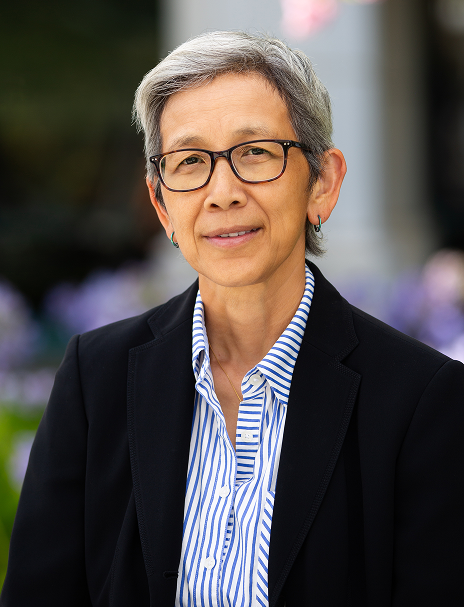
Attorney Hong Nguyen helps couples who have reached a general agreement about property division turn those decisions into carefully prepared legal agreements.
You do not need to arrive with every provision written or every detail anticipated. Hong can identify issues that still need clarification within the scope of your general agreement and help you complete the legal process without reopening decisions you have already made.
You Have Divided the Property. Now It Has to Be Documented
There can be a significant difference between knowing who gets what and having an agreement sufficiently detailed to be incorporated into a divorce judgment.
For example, a couple might agree that one spouse will keep the house. That decision may lead to additional details involving a mortgage, title, a buyout, or the timing of steps necessary to carry out the agreement.
Similarly, agreeing to divide a retirement account does not necessarily complete the legal work required to do so.
These details do not automatically mean the couple has a property dispute. Sometimes they are simply matters that become apparent when a general agreement is translated into formal legal terms.
Hong’s role is to help couples recognize and address those details while preserving the decisions they have already made together.

California Property Division Requires a Complete Financial Picture
Even when spouses agree on how they want to divide their property, California’s required financial disclosures remain an important part of the divorce process.
Couples generally need to identify their assets, debts, income, and other required financial information.
This process creates a complete picture of the financial matters at issue and gives the parties the information they need to reach an informed settlement.
Property involved in an agreed divorce may include:
- The family residence or other real property, such as rental properties.
- Bank and savings accounts.
- Retirement accounts and pensions.
- Investment accounts.
- Vehicles.
- Business interests.
- Personal property.
- Credit cards, other debts, and loans.
- Other assets or financial obligations that need to be addressed.
Even when spouses have already agreed on how they want to divide their property, each spouse remains responsible for providing complete and accurate information about their own assets, debts, income, and other required financial matters.
Hong provides the necessary disclosure forms and explains what the process requires, but she does not complete or verify the disclosures for either spouse.
Once the parties have exchanged their financial information, she can use what they provide to draft the property terms of the stipulated judgment and include language addressing their disclosure obligations and any assets or debts that may not have been identified.
What If We Agree on the Outcome But Have a Few Questions?
You don’t need to know exactly how every aspect of your property agreement should work before contacting Hong.
The key is having a general agreement on the substantive division of your property and debts. You may know the outcome you both want but discover that a smaller implementation detail still needs clarification.
Hong can provide guidance when minor issues arise within the scope of the general agreement, so the couple can decide how to proceed.
She does not mediate between spouses who fundamentally disagree over who should receive an asset, whether to sell property, or other substantive property issues.
That distinction allows couples with an agreed-upon divorce to get meaningful legal help without implying that they must arrive with a fully finished agreement of their own.
Property is Not Always as Simple as a List of Assets
One reason careful legal preparation matters is that different assets may require different treatment.
Real estate is not handled in precisely the same way as a checking account. A retirement asset can raise considerations that don’t arise when dividing household property.
Debts may require attention not only to who assumes responsibility between the spouses, but also to the practical steps needed to carry out the couple’s agreement.
This does not mean an agreed divorce needs to become complicated. It means the documents should reflect the realities of the property being divided.
With more than 20 years of California family law experience, Hong can spot details that couples may not realize need attention and help them move from an informal understanding to clear legal terms.
Careful Drafting Protects the Agreement You Already Reached
A sentence that sounds clear during a conversation between spouses can leave important questions unanswered when it becomes part of a divorce judgment.
If one spouse is keeping an asset, when will any necessary transfer occur? What conditions must be met before the transfer is effectuated? If something must be sold, what does the couple’s agreement actually require?
If responsibility for a debt is being assigned, is the intended arrangement clearly expressed? If an asset, such as a rental property, is to be held jointly, how will the parties manage it?
The objective is to make sure the written agreement does not create unnecessary uncertainty about those decisions later. Hong drafts language that clearly delineates the parameters of the parties’ agreement to minimize misunderstandings or future disputes.
Hong approaches drafting with an eye toward what the language will mean after the divorce is complete, not simply whether the paperwork can be filed today.
Your Financial Disclosures and Property Agreement Need to Work Together
Property division does not exist separately from the rest of an agreed divorce.
The information disclosed during the financial disclosure process must correspond to the assets and obligations outlined in the couple’s agreement. Other financial provisions of the divorce may also need to be considered as the stipulated judgment is prepared.
Hong helps coordinate these pieces so couples aren’t left trying to assemble disconnected forms on their own.
Her work focuses on taking the agreement they have already reached and completing the legal documentation and drafting necessary to finalize their divorce.
That is a different service from asking an attorney to fight for a larger share of the marital estate.
Keep It Simple Divorce is for couples who have made their choices and want experienced help putting them into effect. Attorney Hong Nguyen acts as a neutral to ensure their mutual agreements are reflected in the legal documents and stipulated judgment.
Flat-Rate Fees Keep the Cost Predictable
Couples who have already agreed on their property should not have to wonder whether every document or minor clarification will add another increment to an hourly legal bill.
Keep It Simple Divorce provides its services for a flat-rate fee. You know upfront the cost of Hong’s help completing your agreed divorce from petition to stipulated judgment, providing cost clarity and transparency alongside the legal clarity she brings to the process.
This is another way the service is structured around couples ready to move forward rather than keep fighting over the terms of their divorce. Attorney Hong Nguyen believes cost transparency is essential to maintaining the integrity of the process for the parties.
You Made the Financial Decisions. Make Sure the Documents Reflect Them.
Dividing years of shared property can involve significant decisions.
If you and your spouse have already made those decisions together, Hong Nguyen can help ensure the final legal documents and stipulated judgment reflect your intentions and include the details needed to carry out your agreement.
You do not need to have every document prepared or every minor implementation question answered before reaching out. You need the substantive agreement that enables a cooperative, streamlined approach.
To find out how Hong can help turn your agreed property division into the documents needed to complete your California divorce, call or text Keep It Simple Divorce at 310-857-9908 or contact us online.